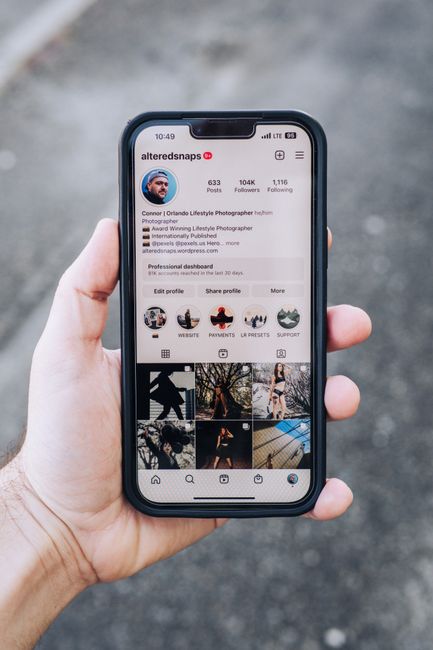
Instagram influencer marketing is a strategy where brands partner with content creators to promote products through authentic posts, Stories, and Reels. In 2026, costs average $2,970 per post for mid-tier influencers. The real challenge isn’t budget, it’s finding partners who actually convert. Most brands lose 40% of their influencer partnerships within 90 days due to payment delays and unclear attribution.
This guide walks you through building, managing, and scaling Instagram influencer marketing campaigns that drive sales. You’ll learn how to identify the right creators and structure commission models. You’ll also discover how to use real-time tracking to optimize campaigns before they underperform.
What Makes Instagram Influencer Marketing Different in 2026
Instagram’s algorithm now prioritizes engagement quality over follower count. A creator with 15,000 followers and 8% engagement rate will outperform someone with 150,000 followers and 1.5% engagement in nearly every campaign scenario.
The platform introduced three major changes in late 2025 that reshaped how brands approach influencer partnerships:
- Affiliate link integration: Instagram now allows trackable affiliate links in Stories, Reels, and bio links without third-party tools, making attribution cleaner
- Creator marketplace expansion: Instagram’s native brand partnership tool now includes performance data and commission negotiation features
- AI content detection labels: Posts using AI-generated images or video must be labeled, which affects authenticity perception by 23% according to Meta’s internal research
These shifts mean you need to focus on three metrics: engagement rate, audience overlap with your customer base, and conversion history. Vanity metrics like follower count matter less than ever.
The average Instagram influencer campaign in 2026 takes 3 to 4 weeks from initial outreach to first post. Expect to spend 6 to 8 hours per partnership on briefing, content review, and performance tracking. Brands using dedicated influencer marketing platforms cut this time by roughly 40%.
How to Find Instagram Influencers Who Actually Convert
Start with your existing customer data, not influencer databases. Look at who your current customers follow, tag, and engage with on Instagram. This reverse-engineering approach identifies creators whose audiences already match your buyer profile.
Run this process every 60 days:
- Export your top 200 customers from your e-commerce platform
- Use Instagram’s search and explore features to find accounts they frequently engage with
- Filter for creators with 5,000 to 100,000 followers (the sweet spot for conversion rates in 2026)
- Check engagement rates using the formula: (likes + comments) / followers × 100
- Verify audience authenticity by reviewing comment quality and follower growth patterns
Target creators with engagement rates above 4% for accounts under 50,000 followers, or above 2.5% for larger accounts. Anything below these thresholds typically indicates bot followers or disengaged audiences.
According to Influencer Marketing Hub’s 2026 Benchmark Report, micro-influencers with 10,000 to 50,000 followers generate 60% higher engagement rates and 2.4x better conversion rates than macro-influencers, while costing 73% less per campaign.
Use tools like HypeAuditor or Modash to verify audience demographics, location data, and fake follower percentages. Expect to disqualify 30% to 40% of potential partners during this vetting stage. Platforms like Affiliate Aura automate much of this matching process by connecting you with pre-vetted affiliates who have proven conversion histories.

Commission Structures That Keep Influencers Engaged
Influencers abandon partnerships when payment takes longer than 45 days. The standard 60 to 90 day payout window that worked in 2023 no longer retains top creators in 2026.
Here are the four commission models that currently work best:
- Flat fee plus performance bonus: Pay $500 to $2,000 upfront, then add 8% to 12% commission on sales. This works for product launches or first-time partnerships.
- Pure commission with milestone payouts: Offer 15% to 25% commission with instant payouts at $100, $500, and $1,000 thresholds. Best for ongoing partnerships.
- Tiered commission rates: Start at 10% for first 50 sales, increase to 15% for next 100 sales, then 20% beyond that. Incentivizes long-term promotion.
- Hybrid with product seeding: Send free products worth $100 to $300, then pay 12% to 18% commission. Works well for fashion, beauty, and lifestyle brands.
The instant payout model reduces influencer churn by 47% compared to traditional monthly payment cycles. Affiliate Aura enables automatic commission releases when creators hit specific milestones, eliminating the manual approval process that delays most partnerships.
Set clear terms on cookie duration (30 days is standard), attribution windows, and discount code ownership. Influencers should get credit for sales within 30 days of link clicks, even if customers don’t use their specific discount code.
Negotiate exclusivity carefully. A 90-day exclusivity clause in your niche costs 40% to 60% more in commission rates. Most brands skip exclusivity and focus on being the influencer’s preferred partner through better payouts and support.

Creating Briefs That Generate High-Converting Content
Your creative brief determines content quality more than the influencer’s skill level. A detailed brief with clear guardrails produces content that converts 3x better than vague “just post about our product” instructions.
Include these seven elements in every influencer brief:
- Campaign objective: State whether you want brand awareness, traffic, or direct sales (be specific)
- Key message: One primary benefit to communicate, not a list of features
- Content format: Specify Reels, Stories, carousel posts, or a combination with exact quantities
- Mandatory elements: Product shots, discount codes, link placements, and any legal disclosures
- Creative freedom zones: Areas where the influencer can adapt messaging to their audience style
- Prohibited content: Competitor mentions, controversial topics, or off-brand language
- Timeline and approval process: Draft due dates, revision rounds (limit to 2), and posting schedule
Reels outperform static posts by 280% in reach and 190% in engagement as of Q2 2026. Prioritize video content, but request at least one Story sequence with swipe-up links for direct conversion tracking.
Allow influencers to write their own captions using their natural voice. Brands that require pre-written caption scripts see 34% lower engagement rates because the content feels inauthentic to the creator’s audience.
Provide high-quality product images, AI-generated UGC video assets, and brand guidelines, but don’t mandate their use. The best-performing influencer content blends brand assets with the creator’s personal photography style.
Tracking Performance Across Multiple Instagram Influencer Marketing Campaigns
You need three tracking mechanisms running simultaneously: UTM parameters, affiliate links, and Instagram’s native insights. Relying on a single tracking method misses 20% to 35% of conversions due to cookie blocking and attribution gaps.
Set up your tracking infrastructure this way:
- Create unique affiliate links for each influencer using a platform that supports real-time tracking
- Add UTM parameters to all links (utm_source=instagram, utm_medium=influencer, utm_campaign=creatorname)
- Use branded short links that include the influencer’s name for easier tracking and higher click-through rates
- Set up conversion pixels on your checkout page to capture post-click behavior
- Request Instagram Insights screenshots from creators for reach, engagement, and story completion rates
Monitor these five metrics weekly: click-through rate, conversion rate, average order value, customer acquisition cost, and return on ad spend. A healthy Instagram influencer campaign in 2026 should deliver 2.5x to 4x ROAS after the first 30 days.
Platforms like Affiliate Aura provide real-time tracking dashboards that consolidate data from multiple influencers into a single view. You can see which creators drive the most revenue, which content formats convert best, and where to reallocate budget within 24 hours of campaign launch.
Compare performance across influencer tiers every month. If micro-influencers (10K to 50K followers) consistently outperform mid-tier creators (50K to 250K followers) in your niche, shift 60% to 70% of your budget to the micro tier.
Track customer lifetime value by influencer source, not just first purchase. Research from Shopify’s 2026 Commerce Report shows that customers acquired through micro-influencers have 31% higher repeat purchase rates than those from paid ads.
Scaling Your Instagram Influencer Program Without Losing Quality
Most brands hit a scaling wall at 15 to 20 active influencer partnerships. Beyond this point, manual management becomes impossible without dedicated tools or team members.
Scale systematically using this framework:
- Months 1 to 3: Test 8 to 12 influencers across different audience sizes and content styles. Invest $3,000 to $8,000 total.
- Months 4 to 6: Double down on the top 30% of performers. Add 10 to 15 new creators similar to your winners. Budget: $8,000 to $15,000.
- Months 7 to 12: Build an always-on program with 25 to 40 active partnerships. Automate onboarding, tracking, and payouts. Budget: $15,000 to $35,000 monthly.
Automate these three processes first: influencer discovery and vetting, commission calculations and payouts, and performance reporting. Manual handling of these tasks consumes 12 to 18 hours per week once you exceed 20 partnerships.
Create tiered partnership levels: bronze (new influencers, standard 10% commission), silver (proven converters, 15% commission plus early product access), and gold (top 10% of performers, 20% commission plus exclusive collaboration opportunities). This structure motivates long-term engagement and reduces turnover.
Affiliate Aura’s platform handles the operational complexity of managing dozens of influencer partnerships simultaneously. The system automatically generates unique tracking links, processes instant commission payouts when influencers hit milestones, and provides both merchants and creators with real-time performance data.
Dedicate one team member to influencer relationship management once you reach 30 active partnerships. This person handles communication, content approval, and partnership development while the platform manages technical tracking and payments.
Common Mistakes That Kill Instagram Influencer Campaigns
The biggest mistake is choosing influencers based solely on follower count. Brands waste an average of $4,200 per quarter on partnerships with creators who have large but disengaged or misaligned audiences.
Avoid these five critical errors:
- Skipping audience verification: Always check that an influencer’s followers match your target demographic. A beauty brand partnering with a creator whose audience is 60% male rarely sees positive returns.
- Over-controlling creative: Requiring script approval and specific shot lists reduces content authenticity. Engagement drops by 28% on overly branded content.
- Ignoring FTC disclosure requirements: Influencers must clearly label sponsored content with #ad or #sponsored. Non-compliance risks legal issues and damages brand trust.
- Setting unrealistic timelines: Quality content takes 5 to 7 days from brief to final post. Rushing creators produces subpar results.
- Neglecting relationship building: Transactional partnerships underperform by 40% compared to relationships where brands provide ongoing support, feedback, and exclusive perks.
Another common failure point is inconsistent payment. When influencers wait 60 to 90 days for commission payouts, 52% don’t create follow-up content even if contracted. Fast payment cycles directly correlate with content frequency and partnership longevity.
Don’t spread budget too thin across too many small partnerships. Three well-supported influencers producing 12 pieces of content over 90 days outperform 12 influencers each creating one post. Focus beats fragmentation.
Track negative indicators like unfollows after sponsored posts, comment sentiment, and story drop-off rates. If an influencer’s audience consistently reacts poorly to sponsored content, end the partnership regardless of follower count.
Building Long-Term Influencer Relationships That Compound Results
Your best-performing influencers in month six will generate 4x more revenue per post than they did in month one. Audience trust compounds with repeated, authentic endorsements over time.
Convert one-off campaigns into ongoing partnerships using these tactics:
- Offer quarterly contracts with guaranteed minimum payments plus performance bonuses
- Give top performers early access to new products 2 to 3 weeks before public launch
- Invite high-performing creators to co-design limited edition products or collections
- Provide exclusive discount codes that influencers can offer their audience (increases perceived value)
- Feature influencer content on your brand’s Instagram account and website
Create an influencer advisory board with your top 5 to 8 partners. Meet quarterly to discuss product feedback, content trends, and campaign ideas. This transforms influencers from vendors into brand advocates who actively promote you beyond contracted posts.
Successful long-term partnerships require consistent communication. Send monthly performance reports showing each influencer their earnings, top-performing content, and audience growth attributed to the partnership. Recognition and transparency build loyalty.
Consider annual partnership agreements with your top 10% of performers. Lock in favorable commission rates, guarantee minimum monthly earnings, and establish content calendars six months in advance. This stability lets influencers plan their content strategy around your products more effectively.
Use centralized dashboards that give both you and your influencer partners visibility into real-time performance. When creators can see their earnings update instantly after driving sales, engagement increases by an average of 38%.
Frequently Asked Questions
What is Instagram influencer marketing and how does it work?
Instagram influencer marketing is when brands partner with content creators who have engaged audiences to promote products or services through posts, Stories, or Reels. Influencers create authentic content featuring your products and share it with their followers, typically earning either a flat fee, commission on sales, or both. The brand provides products, creative guidelines, and tracking links, while the influencer produces content that resonates with their specific audience.
How much does Instagram influencer marketing cost in 2026?
Instagram influencer costs vary significantly by follower count and engagement rate. Micro-influencers with 10,000 to 50,000 followers typically charge $200 to $800 per post, while mid-tier influencers with 50,000 to 250,000 followers charge $800 to $3,500 per post. Commission-only arrangements usually range from 10% to 25% of sales, with many brands combining a smaller flat fee with performance-based payouts to balance risk and incentive.
What engagement rate should I look for when choosing Instagram influencers?
Target influencers with engagement rates above 4% for accounts under 50,000 followers, or above 2.5% for accounts between 50,000 and 250,000 followers. Calculate engagement rate by dividing total likes and comments by follower count, then multiplying by 100. Anything below these benchmarks often indicates fake followers or an audience that doesn’t actively interact with content, which leads to poor conversion rates regardless of follower count.
How long does it take to see results from Instagram influencer campaigns?
You’ll typically see initial traffic and sales within 24 to 48 hours of an influencer posting content. However, full campaign performance becomes clear after 30 days, as Instagram’s algorithm continues showing content to new users and some customers take time to make purchase decisions. Plan for 3 to 4 weeks from initial outreach to first post, then evaluate performance monthly for at least 90 days before deciding whether to scale or end a partnership.
Should I work with one large influencer or multiple smaller influencers?
Multiple micro-influencers with 10,000 to 50,000 followers typically outperform a single large influencer with equivalent total reach. Micro-influencers generate 60% higher engagement rates and 2.4x better conversion rates while costing 70% less overall. A budget of $3,000 spread across five micro-influencers usually drives more sales than spending the same amount on one influencer with 200,000 followers, though testing both approaches in your specific niche provides the clearest answer.
How do I track sales from Instagram influencer partnerships?
Use a combination of unique affiliate tracking links, UTM parameters, and Instagram’s native insights to capture complete performance data. Create a distinct trackable link for each influencer using an affiliate platform, add UTM tags for analytics software, and request Instagram Insights screenshots for reach and engagement metrics. This multi-layer approach accounts for attribution gaps from cookie blocking and captures 80% to 90% of actual conversions, compared to 60% to 70% with single-method tracking.
What content formats work best for Instagram influencer marketing in 2026?
Reels consistently outperform other formats, generating 280% more reach and 190% higher engagement than static posts as of 2026. The most effective approach combines one Reel for broad reach, a carousel post for detailed product information, and a Story sequence with swipe